Coffee From Loja, Ecuador
Quick Summary: Loja coffee from southern Ecuador: altitude, microclimate, cantones, varieties, harvest calendar, and cupping notes for B2B specialty green coffee buyers.
Loja coffee from Ecuador is one of the most distinctive and least-discussed specialty origins in the Andes. As an exporter physically based in Loja, Cafesure works inside this terroir every day. This guide explains why coffee from Loja commands attention from international buyers, covering geography, altitude, microclimate, producing cantones, varieties, harvest timing, and what to expect on the cupping table. For related context on the varieties Loja is famous for, see our deep dive on Typica Mejorado.
Loja as a Terroir: Geography, Altitude, and Microclimate
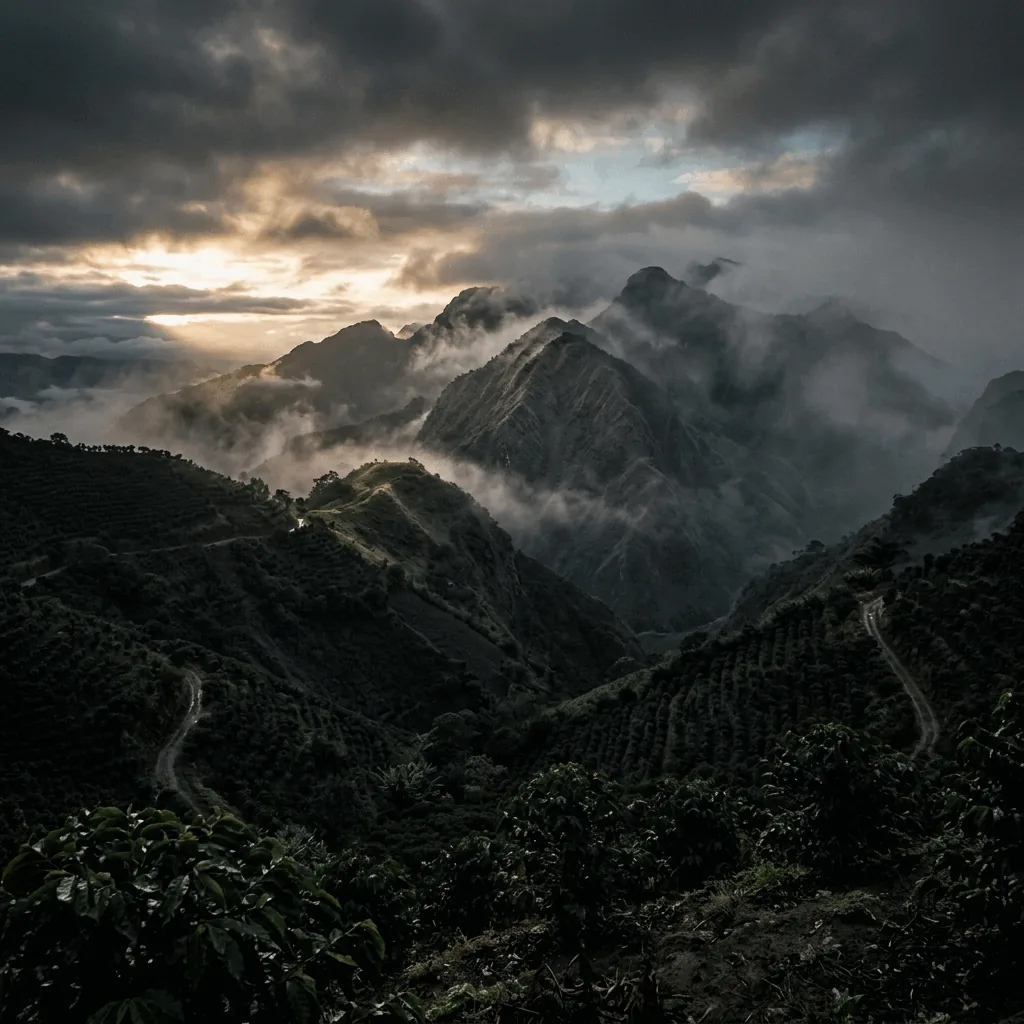
Loja province sits in the southern Andes of Ecuador, bordering Peru. The coffee-growing landscape is defined by extreme altitude, rugged topography, and a microclimate that is significantly different from the better-known northern Ecuadorian regions and from neighboring coffee powers such as Colombia and Peru.
Altitude and Its Effect on the Cup
Most specialty coffee in Loja is grown between 1,600 and 2,100 meters above sea level. This range matters. At those elevations, nighttime temperatures drop sharply, slowing the maturation of the coffee cherry. The longer a cherry takes to ripen, the more sugars and organic acids accumulate in the seed. The result is a denser, more complex bean, the structural foundation of Loja’s reputation for bright acidity and aromatic clarity. This is the same physical principle that drives quality in other high-altitude Andean origins, but Loja combines it with a microclimate that is unique to southern Ecuador.
Microclimate and Soils
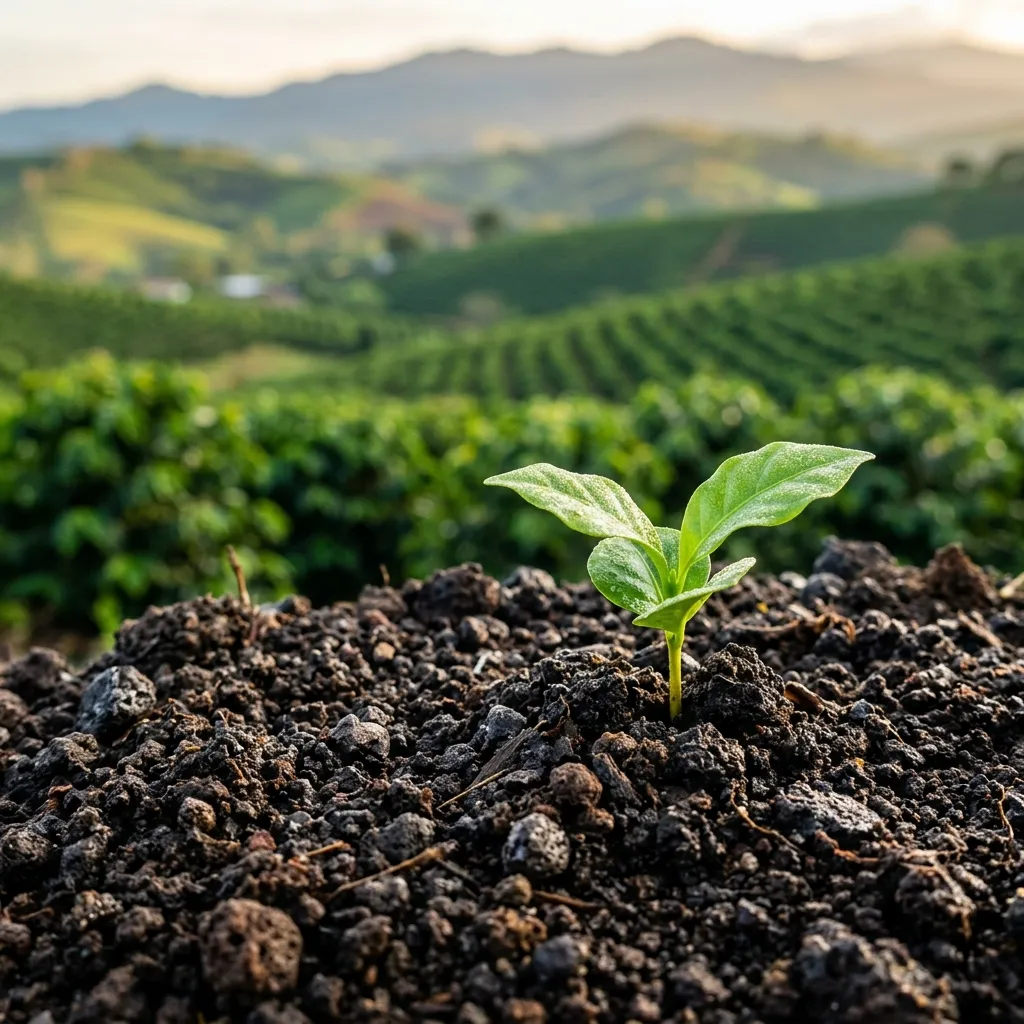
Loja’s microclimate is shaped by the interaction of Andean mountain ranges, Pacific-facing valleys, and seasonal humidity from the Amazon basin. Daytime sun is intense, nights are cool, and rainfall follows a defined wet-dry pattern that supports a clean harvest window. Soils in the producing zones are predominantly loamy with good drainage and a mineral profile influenced by the region’s volcanic and sedimentary geology. Together these factors create the conditions for slow maturation, dense beans, and complex cup chemistry.
Why Loja Is Underrepresented Internationally
Despite its terroir, Loja has historically been underrepresented in international specialty catalogs. The reasons are structural: small farm sizes, limited wet-milling infrastructure, and a producer base that has long sold cherry to intermediaries rather than exporting directly. That gap is exactly where an exporter-direct model adds value, by building direct relationships with Loja producers, separating micro-lots at the wet mill, and bringing traceable, single-origin lots to international buyers without the layers that traditionally dilute origin identity.
The Coffee Cantones of Loja
Loja’s coffee production is concentrated in a handful of cantones (counties), each contributing distinct cup characteristics. Understanding the cantonal structure helps buyers reason about specific lots rather than treating Loja as a single homogeneous origin.
Cariamanga
Cariamanga, in the southeast of Loja province, is one of the region’s most recognized coffee areas. Farms sit at consistently high altitude, and the cup profile from Cariamanga lots tends toward pronounced floral aromatics, bright citric acidity, and a clean, structured finish. The area is well suited to heirloom varieties and is one of the cantones where Typica Mejorado selections have been identified and refined over generations.
Sozoranga
Sozoranga sits at slightly lower average altitudes than Cariamanga but produces lots with notable sweetness and body. The microclimate here tends to produce a rounder, more dessert-forward profile, brown sugar, ripe stone fruit, and a creamy mouthfeel. Sozoranga lots are a strong fit for buyers looking for an approachable, balanced Ecuadorian offering.
Quilanga
Quilanga borders Peru and benefits from a unique cross-border microclimate. Coffees from Quilanga often show a complex aromatic profile with both floral and fruit-forward notes, supported by a syrupy body. The cantone’s altitude and sun exposure make it particularly well suited to Typica Mejorado and Sidra plantings, and several of our flagship micro-lots originate here.
Varieties Grown in Loja
Variety selection in Loja is a defining factor in cup character. The region’s flagship varieties are heirloom selections and crosses that have adapted to high-altitude Andean conditions over decades.
Typica Mejorado
Typica Mejorado is the variety most strongly associated with Loja. It is a Typica heirloom selection that produces elongated cherries and a distinctive floral cup profile dominated by jasmine and stone fruit. Loja is widely cited as the region where Typica Mejorado was identified and refined, which is why the variety and the region are so closely tied. For buyers, Typica Mejorado from Loja is the strongest single-variety, single-origin offering available from southern Ecuador.
Sidra
Sidra is widely considered a Bourbon x Typica cross and is grown across several Loja cantones. It produces a balanced cup with stone fruit, brown sugar, and soft florals, supported by a creamy body. Sidra’s agronomic reliability and approachable profile make it a workhorse for Loja producers and an excellent entry point for buyers new to the region. Read more in our Sidra coffee guide.
Caturra and Bourbon
Beyond the flagship varieties, Loja producers grow Caturra and Bourbon for broader-lot offerings. These varieties produce clean, sweet, well-structured cups that work well in blend components and wholesale programs. While they may not reach the aromatic heights of Typica Mejorado, they represent a meaningful share of Loja’s production and offer buyers a more accessible price tier without sacrificing the regional character that altitude imparts.
Producer Partners and Direct Trade in Loja
Cafesure’s presence in Loja is not logistical, it is the core of our sourcing model. We work directly with producer families across the producing cantones, building multi-season relationships that include agronomic support, transparent pricing, and lot separation at the farm level. This is what makes direct trade coffee meaningful in practice: buyers can trace a specific micro-lot back to a named farm, an altitude band, a harvest date, and a processing protocol.
Working at origin also allows us to verify quality at the source. Cherries are selectively hand-picked at peak ripeness, depulped and fermented under controlled conditions, dried to a target moisture range, and rested before milling and export. Each of those steps is documented and tied to the lot, which is why every Cafesure shipment leaves with full traceability data.
Harvest Calendar for Loja Coffee
The Loja harvest follows the southern Andean cycle. The main harvest window runs from May through September, with the peak picking period typically in June, July, and August. Processing, drying, resting, milling, and export preparation add several weeks to that timeline, so fresh-crop green coffee from the current harvest is generally available from the third quarter onward.
For international buyers planning sourcing calendars, this means Loja fits well into a late-Q3 and Q4 fresh-crop slot. It complements northern hemisphere origins that harvest earlier in the year and gives roasters a fresh-crop Ecuadorian option in the second half of the calendar. Planning sample evaluation in advance of the harvest peak is the best way to secure specific varieties and micro-lots.
Cupping Notes: What to Expect From Loja Lots
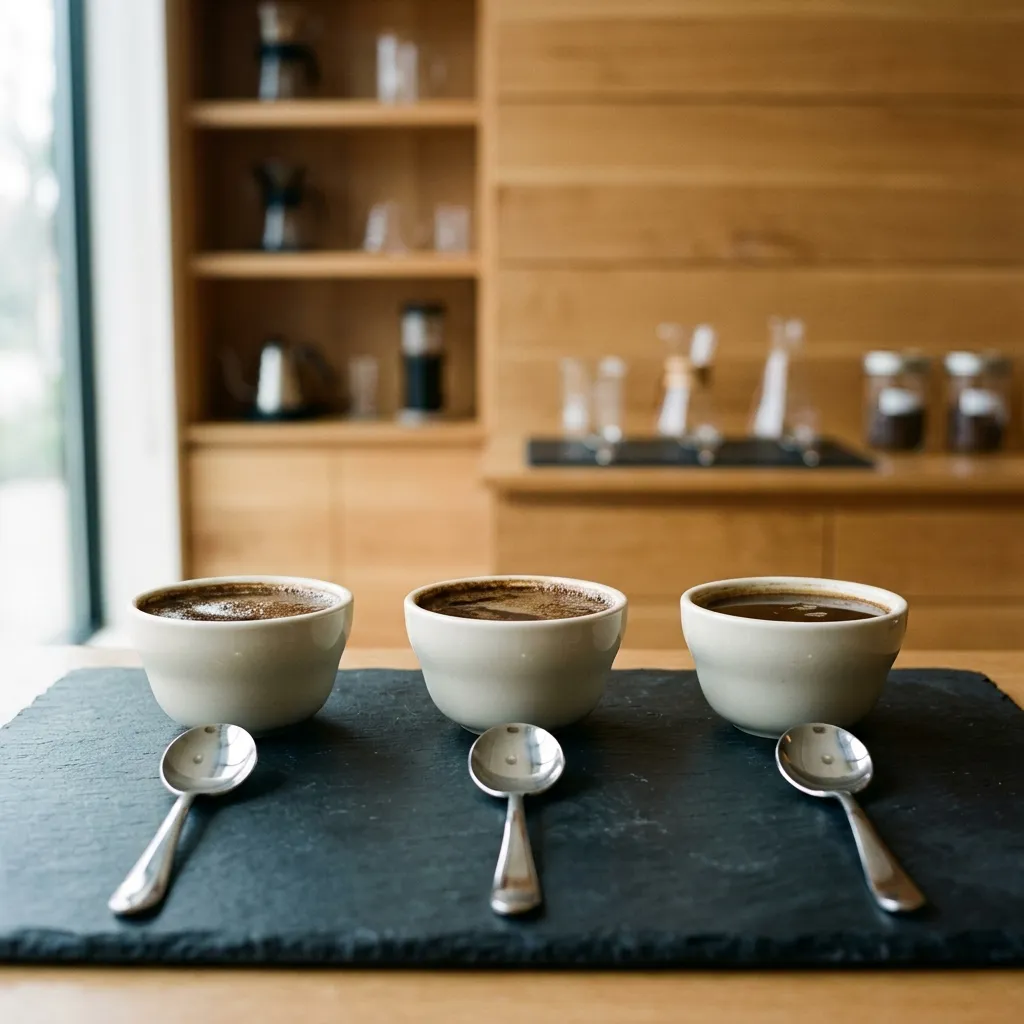
Across our Loja lots, a consistent cup profile emerges that buyers can use as a benchmark:
-
Aroma: floral top notes (jasmine on Typica Mejorado lots), stone fruit, gentle citrus peel.
-
Acidity: bright, citric, well integrated, with the structure typical of high-altitude Andean coffees.
-
Body: syrupy and coating on Typica Mejorado and Sidra; lighter and more tea-like on Gesha lots.
-
Flavor: stone fruit (peach, apricot), brown sugar sweetness, and clean citric notes.
-
Aftertaste: prolonged, sweet, clean.
These notes will shift with variety, processing, and farm, but the structural backbone, bright acidity, sweetness, and aromatic clarity, is consistent across export-grade Loja lots.
What Sets Loja Coffee Ecuador Apart in the Cup
When international buyers ask what differentiates coffee from Loja from other Andean origins, the answer comes down to three structural factors: extreme altitude across the producing cantones, the prevalence of heirloom Typica-derived varieties that have adapted to that altitude over generations, and a harvest rhythm that produces dense, slow-matured beans. Together these factors create a cup profile built around bright acidity and aromatic clarity rather than heavy body or low-acid sweetness. For roasters, this means coffee from Loja performs particularly well as a single-origin filter offering and as a component in blends where brightness and aromatics need to lead. Understanding these structural traits helps buyers position the origin accurately with end customers and choose lots that fit their roast philosophy.
Sample Loja Coffee for Your Program
The most direct way to evaluate Loja coffee is to cup it against your current offerings. We prepare variety-specific sample lots from the current harvest, each documented with farm, altitude, harvest date, and processing detail. If you are considering an Ecuadorian single-origin or private-label program, request a sample and we will ship documented micro-lots so your team can evaluate Loja terroir directly on the cupping table. For buyers interested in how our exporter-direct model differs from traditional importer supply chains, see our import guide. New to Cafesure? Start with our welcome overview for a guided tour of our sourcing model and variety lineup.