Experimental Coffee Processing in Loja, Ecuador
Quick Summary: When the same coffee is processed washed, honey and natural, the differences in the cup become much easier to isolate. In our Loja comparison, washed showed the clearest acidity and the most transparent profile, honey increased sweetness and syrupy body, and natural emphasized fruit intensity and fermentation character. The farm, variety and harvest stayed constant. Processing changed the expression. The same logic applies to anaerobic, carbonic maceration and yeast-inoculated lots: the protocol, not the label, is what a buyer is evaluating.
The easiest way to exaggerate the effect of coffee processing is to compare three completely different coffees: different farms, varieties, elevations, harvest dates and fermentation protocols, then attribute every sensory difference to processing.
The more interesting experiment is harder. Start with the same coffee and process it three different ways.
That is what makes a same-lot comparison useful. When the cherry comes from the same harvest, the genetic background, farm environment and growing conditions are largely controlled. Processing becomes the main variable. It is not a perfect laboratory experiment, because drying, fermentation kinetics and small batch differences still matter. But it creates a much stronger basis for a practical question: how much of what we taste is the coffee itself, and how much is the way we processed it?
For specialty buyers, that distinction is commercially important. It is also the difference between buying a process name and buying a documented result.
Why the Same Lot Is the Only Fair Comparison
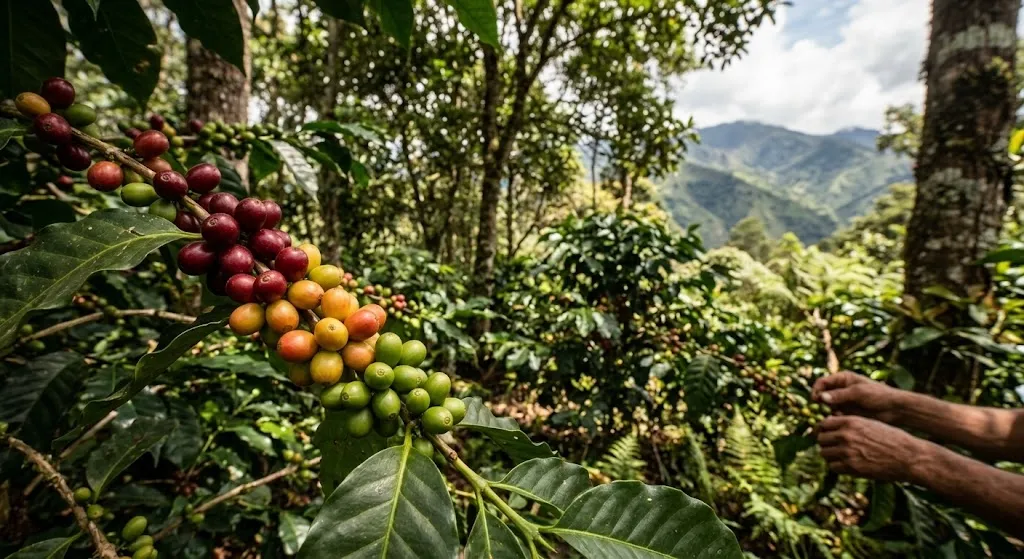
Consider a coffee from a single Loja harvest. The trees, variety, farm, elevation, picking window and cherry selection are identical.
Now divide the harvest into three processing paths: washed, honey and natural.
The resulting coffees are not three origins. They are three expressions of one origin. Because the pre-harvest variables remain relatively constant, the comparison isolates processing more effectively than a normal catalogue ever can.
A typical catalogue might show:
Washed Typica, 87 points Honey Typica, 87.5 points Natural Typica, 88 points
That tells you the coffees are different. It does not tell you why. A same-lot comparison asks a better question: what changed when processing changed?
Washed, Honey, Natural: What Changed in the Cup
Washed: Clarity and Acidity
The washed version is the cleanest reference point. Removing the fruit layer before drying generally produces a cup in which the intrinsic characteristics of the coffee are easier to identify. That does not make washed coffee inherently better. It makes the sensory profile more transparent.
In our comparison, the washed coffee showed the brightest acidity and the cleanest overall expression. The impression was less dominated by fermentation-derived fruit and more by the coffee’s underlying structure.
For a buyer, that makes washed useful for evaluating acidity, aromatic precision, finish, variety expression and terroir. The cup answers: what does this coffee itself taste like? That is why washed is the control against which the other versions should be understood.
Honey: Syrup and Sweetness
Honey sits between washed and natural, but that description is a framework, not a rule. Because some or much of the mucilage remains during drying, honey can produce a broader, sweeter profile while retaining considerable clarity.
In the same-lot comparison, honey shifted the coffee toward greater perceived sweetness and a more syrupy body. Acidity remained present, but it was less prominent in the sensory structure than in the washed version. The cup felt more concentrated.
The sweetness is not simply “added” by the process. Processing changes the environment in which the coffee develops during drying and can influence the compounds and sensory balance perceived after roasting and brewing. Honey offers more texture than the washed reference, but less fruit-driven intensity than the natural.
Natural: Fruit and Fermentation
The natural version produced the largest sensory departure. Keeping the whole cherry during drying changes the fermentation and drying environment around the seed. The result can be considerably more expressive, especially in fruit aromatics and perceived fermentation character.
In our comparison, the natural coffee showed the highest fruit intensity and the strongest fermentative complexity of the three. That does not mean stronger is better. For some buyers, that intensity is exactly the point. For others, it moves the coffee away from the transparent origin character they are trying to preserve.
The Side-by-Side Result
| Attribute | Washed | Honey | Natural |
|---|---|---|---|
| Acidity | Highest | High | Moderate to high |
| Sweetness | High, clean | Highest perceived syrupy sweetness | High, fruit-driven |
| Body | Medium | Medium to high | Highest |
| Fruit intensity | Moderate | High | Highest |
| Fermentation character | Low | Moderate | Highest |
| Clarity | Highest | High | Lower |
| Origin and variety transparency | Highest | High | Moderate |
| Sensory intensity | Moderate | High | Highest |
These categories are directional, not numerical. A process does not guarantee a score, and the magnitude of the difference depends on the coffee, cherry maturity, fermentation conditions and drying protocol.
The pattern is still useful. Washed foregrounds clarity, honey foregrounds sweetness and texture, and natural foregrounds fruit and intensity.
What the Comparison Actually Proves
The most useful conclusion is not that one process wins. It is that processing acts as a sensory modifier.
The farm, variety, altitude, soil and harvest stayed the same. Processing changed, and the cup moved accordingly.
That matters in Loja, where terroir and variety already provide considerable aromatic complexity. Processing can either reveal that complexity or overlay it with another sensory layer. Neither is automatically preferable. The decision depends on the product you are building.
It also means a process name should never be enough. “Natural” does not automatically mean fruity. “Honey” does not automatically mean sweet. “Washed” does not automatically mean floral. Those are tendencies, not guarantees.
Beyond the Three Classics: Anaerobic, Carbonic and Yeast
The same discipline behind a same-lot comparison applies to advanced fermentation. Anaerobic, carbonic maceration and yeast inoculation are not attempts to make coffee more extreme. They are attempts to make fermentation more predictable.
The terms are not interchangeable. “Anaerobic” describes an environment with limited oxygen. “Carbonic maceration” refers to a fermentation approach adapted from winemaking in which whole fruit is exposed to a carbon-dioxide-rich environment. “Yeast inoculation” means adding a selected culture rather than relying exclusively on the native microbial population.
These variables can be combined. A coffee can be whole cherry plus anaerobic plus yeast inoculated, or pulped coffee plus a selected yeast under controlled anaerobic conditions. That is why the protocol is the process, not the name on the offer sheet.
Anaerobic Fermentation
Restricting oxygen changes the microbial ecology and the metabolic pathways involved in fermentation. Research using self-induced anaerobic fermentation and selected yeasts has documented changes in organic acids and volatile compounds, with yeast-inoculated lots scoring above 80 points and some treatments reaching the mid-80s. One study found that Saccharomyces cerevisiae and Torulaspora delbrueckii modified sensory profiles and, under certain conditions, increased scores by as much as five points relative to controls.
What that shows is not simply “stronger flavor.” It is different flavor architecture. Depending on substrate, yeast, temperature and duration, experimental lots can move toward more intense fruit aromatics, greater perceived sweetness, wine-like or tropical character, longer aromatic persistence, more complex acidity or a fuller mouthfeel. But these effects are highly protocol-dependent. There is no universal anaerobic flavor.
Carbonic Maceration
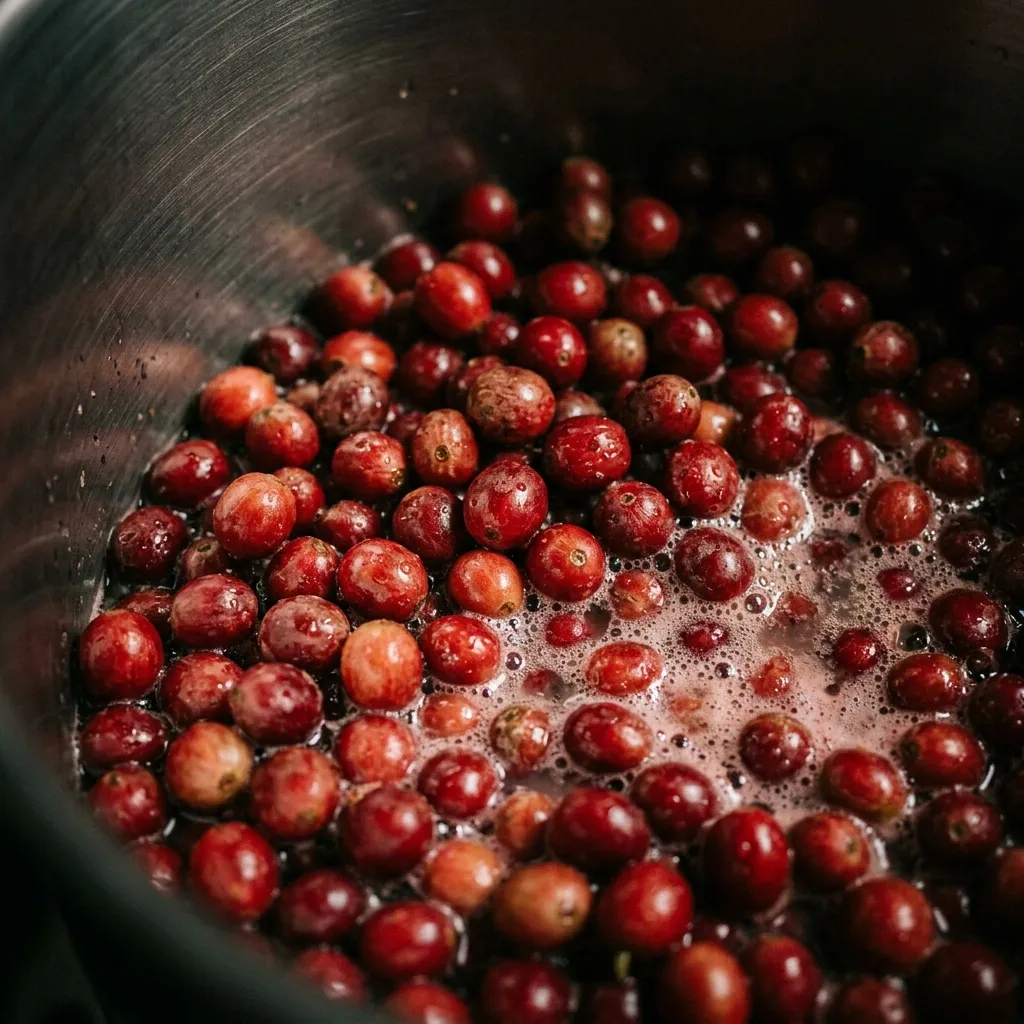
Carbonic maceration changes the fermentation environment before asking the microorganisms to do the work. In its coffee adaptation, whole cherries are placed in a controlled, oxygen-limited environment, often with carbon dioxide present. The resulting microbial succession and metabolic activity can differ from conventional fermentation.
Research has shown that temperature and fermentation time significantly affect both microbial communities and sensory outcomes. One published experiment found a significant relationship between sensory score and a treatment at 38°C for 96 hours, which illustrates how strongly protocol parameters influence the result. More recent work has reinforced that microbial populations do not remain static. Fungal communities shift as fermentation progresses, so the character of the coffee develops dynamically rather than being fixed at the start.
For Loja producers, that makes carbonic-style processing attractive and demanding. A successful lot can produce striking aromatics and a distinctive identity. An uncontrolled lot can simply become over-fermented.
Yeast Inoculation
Yeast inoculation adds a layer of control. Instead of relying on whatever microbial population happens to dominate on harvest day, a producer can select a strain and evaluate its behavior under defined conditions.
Different yeasts produce different outcomes. In one study, Torulaspora delbrueckii and Candida parapsilosis produced distinct results depending on whether the coffee was natural or pulped, demonstrating that the microorganism and the substrate interact. A yeast that performs well in a natural coffee may not produce the same result in a washed or pulped system. Changing variety, cherry maturity, temperature or duration can shift the outcome again.
Yeast is not a flavor additive. It is a fermentation tool. The producer is asking which microbial pathway produces the most interesting cup from this particular coffee.
Extended Fermentation
Longer fermentation is not automatically better. As fermentation progresses, the microbial population changes, available substrates decrease and the chemical environment shifts. A controlled increase in time can generate desirable compounds and more sensory differentiation. Too much time can move the coffee toward undesirable acidity, excessive alcohol-like character, solvent-like aromas or other defects.
That is why “96-hour fermentation” means little without context. Ninety-six hours at what temperature? With what substrate? With which microorganism? At what cherry maturity? Under what oxygen conditions? Duration is one variable, not the process.
Experimental vs. Washed: A Comparison Buyers Can Use
The best way to evaluate an experimental lot is not to taste it in isolation. Compare it with a washed reference from the same farm, variety and harvest period whenever possible. The washed coffee answers a simple question: what does this coffee taste like before experimental processing changes the expression?
| Attribute | Washed reference | Experimental fermentation |
|---|---|---|
| Fruit intensity | Moderate, origin-dependent | Often higher |
| Acidity | Transparent and easier to identify | Can become broader or more complex |
| Sweetness | Often clean and precise | May feel larger or more concentrated |
| Aromatics | Variety and terroir-forward | Often more fermentation-driven |
| Body | Usually cleaner or lighter | Can become fuller |
| Finish | Clean, origin-defined | Potentially longer and more persistent |
| Risk | Lower | Higher |
| Identity | Easier to read | Can be enhanced or obscured |
The objective is not to select one over the other. A washed coffee may be the better expression of variety and terroir. An experimental coffee may offer a more differentiated sensory product. Both can have value on a roaster’s menu.
The QC Risks That Matter More Than Flavor
The commercial risk of experimental coffee is not that the flavor will be different. It is that it will be different for the wrong reasons. The warning signs are consistent:
- Over-fermentation. The intended fruit character becomes dominated by heavy alcoholic, solvent-like or decomposed notes.
- Poor batch consistency. One portion of the lot tastes excellent while another shows defects.
- Loss of varietal identity. A delicate Sidra or Typica Mejorado becomes indistinguishable from other heavily processed coffees.
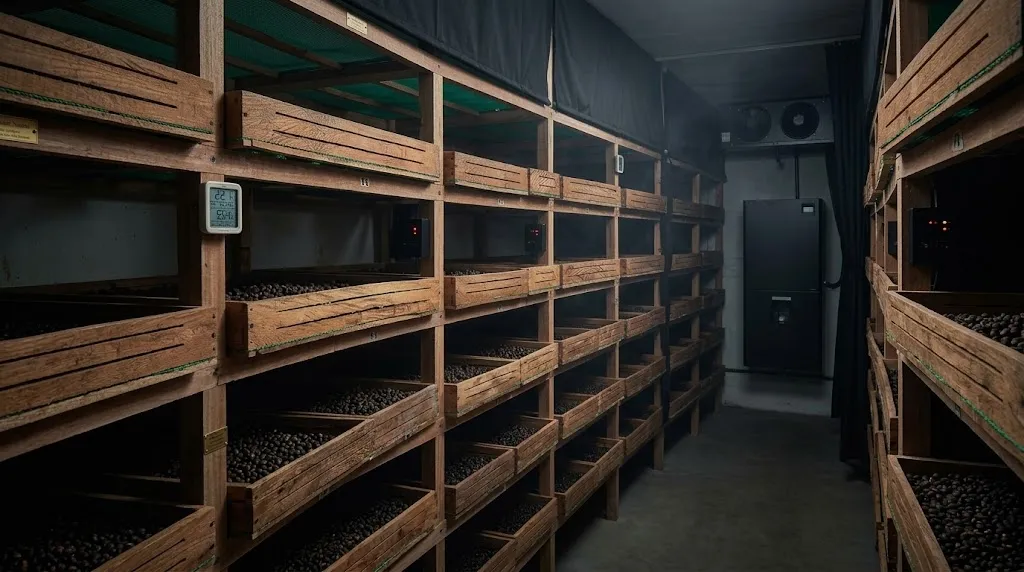
- Unstable drying. A successful fermentation is compromised during drying and becomes unstable in storage.
- Process dependency. The coffee tastes impressive only at a narrow roast or brewing condition and collapses outside it.
This is why QC must extend beyond the fermentation tank. The final green coffee needs to be evaluated for moisture stability, water activity where available, physical defects, sensory consistency and storage behavior. Fermentation quality is only part of processing quality. For the drying side, see our guide to coffee drying and its impact on the cup.
What We Look For in a Loja Experimental Lot
Experimental processing cannot rescue poor cherries. Fermentation tends to expose weaknesses in the raw material. If a lot contains inconsistent maturity, damaged cherries or poor sorting, an aggressive protocol may amplify undesirable characteristics rather than hide them.
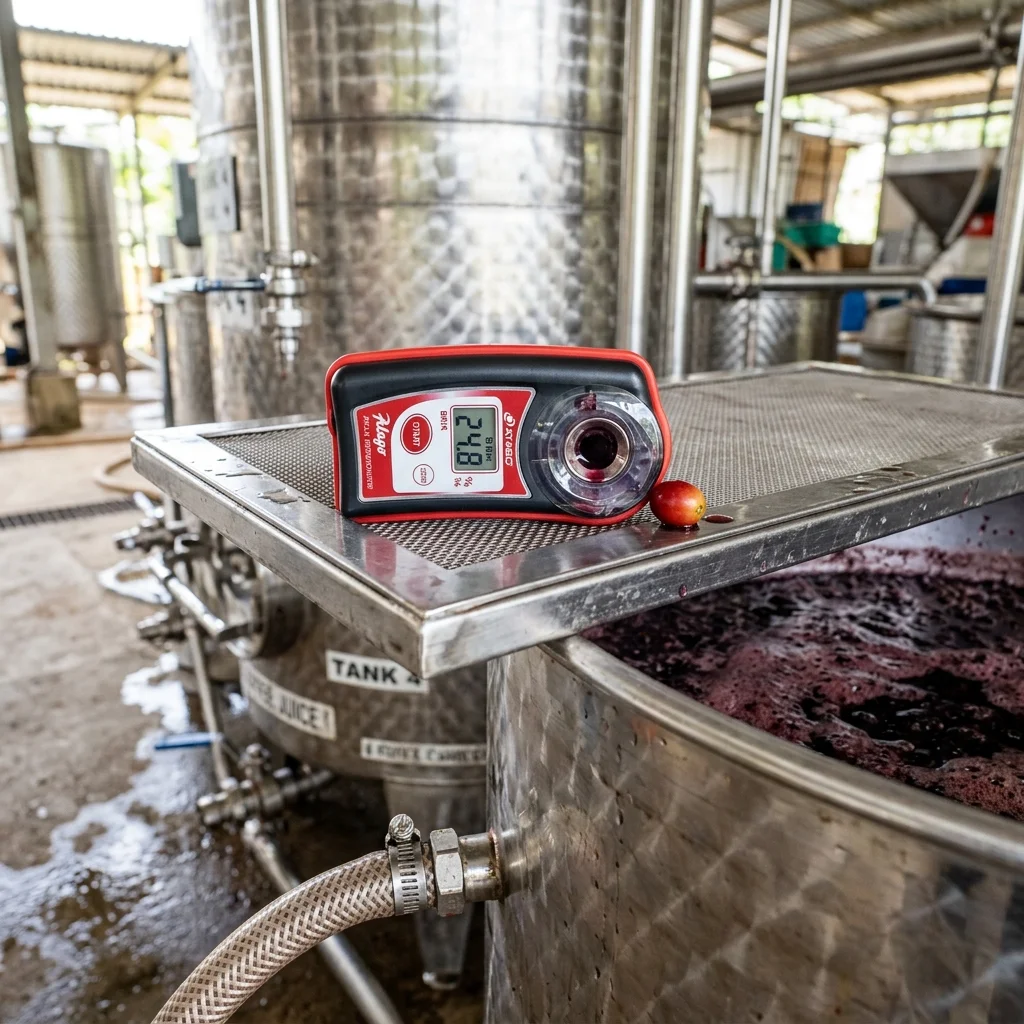
The logic is straightforward: better cherry, more predictable fermentation, clearer sensory result. A Brix reading can help characterize the fruit entering the process, but it should not be treated as a magic threshold. The proposed 18° Brix minimum can be a useful operational target, yet optimal maturity depends on variety, environment, fruit condition and processing design. A producer who runs the same protocol on fruit harvested at very different maturity levels is not performing one controlled experiment. They are performing several at once. For the measurement side, read our guide to Brix, harvest and ripening.
Altitude adds another variable. Cooler environments change the pace of fermentation and the development of microbial populations, so protocols developed under one temperature regime cannot simply be copied into another location. A 48-hour protocol in one environment is not necessarily equivalent in another. The clock alone does not describe the fermentation. Temperature, pH, Brix and microbial population do.
A commercially viable experimental lot should combine clean raw material, controlled fermentation and repeatable drying to produce a clearly differentiated cup. That differentiation might be a dramatic fruit profile, or a subtle increase in sweetness, aromatic complexity and finish. The best experimental coffees do not taste like a laboratory experiment. They taste like excellent coffee with another layer of information.
Choosing a Process for the Product You Are Building
A roaster does not need “the best process.” They need the best process for the intended application.
Washed for precision. Choose washed when the objective is to communicate variety, elevation, terroir, acidity, floral aromatics or a clean finish. A washed Loja coffee can anchor a premium single-origin filter menu where transparency is part of the product story.
Honey for sweetness and balance. Honey works when the menu calls for pronounced sweetness, more body, a rounded profile, enough clarity for filter and enough texture for espresso. It occupies the space between traditional clean specialty profiles and more experimental products.
Natural for sensory impact. Natural is effective when the goal is strong fruit expression, aromatic intensity, memorable tasting notes, greater body or a more distinctive retail experience. A well-executed natural can immediately show a new consumer that coffee does not have to taste like roast and chocolate.
Experimental for differentiation. Anaerobic, carbonic and yeast-inoculated lots make sense when the product needs a distinct identity and the buyer is prepared to verify consistency across batches. They are a poor substitute for quality control.
The Takeaway for Buyers
You do not need three farms to demonstrate the effect of processing. You need one good coffee and the discipline to change one major variable at a time.
In our Loja comparison, the pattern was clear. Washed gave the brightest acidity and clearest expression. Honey pushed sweetness and syrupy body forward. Natural amplified fruit and fermentation complexity. The process did not replace terroir. It reinterpreted it.
That is the most useful way to think about processing in modern specialty coffee. Terroir determines the starting language. Processing changes the accent. The buyer’s job is to know which accent the product actually needs, and to ask for the documentation that proves the result can be repeated.
Continue Exploring Processing and Origin
For the regional context behind these lots, read our guide to coffee from Loja, Ecuador. To understand how cherry maturity sets the ceiling for fermentation, see Coffee Brix, Harvest and Ripening. For the commercial path from origin to your roastery, start with our Ecuador coffee import guide.
A Note on Methodology and Terminology
This article combines a same-lot comparison of washed, honey and natural processing with a review of controlled fermentation methods. Sensory conclusions should be read as observations from a specific comparison, not as universal rules. Processing outcomes depend on cherry maturity, fermentation conditions, drying, storage and roasting. Terms such as anaerobic, carbonic maceration, extended fermentation and yeast fermented describe processing conditions, not guaranteed cup profiles.