Coffee Brix, Ripening & Fermentation
Quick Summary: Brix readings at harvest and fermentation duration are the two primary agronomic controls governing green coffee cup structure. In Loja’s high-altitude wet mills, harvesting cherry at Brix ≥ 18° and maintaining controlled fermentation windows (~36h washed) yields micro-lots with exceptional clarity, vibrant acidity, and high sweetness.
In modern specialty coffee sourcing, evaluating a green coffee lot extends far beyond physical defect counts and basic screen sizing. Professional buyers increasingly analyze on-farm processing metrics—specifically cherry Brix levels, diurnal ripening ranges, and fermentation kinetics—to predict lot stability and cup longevity.
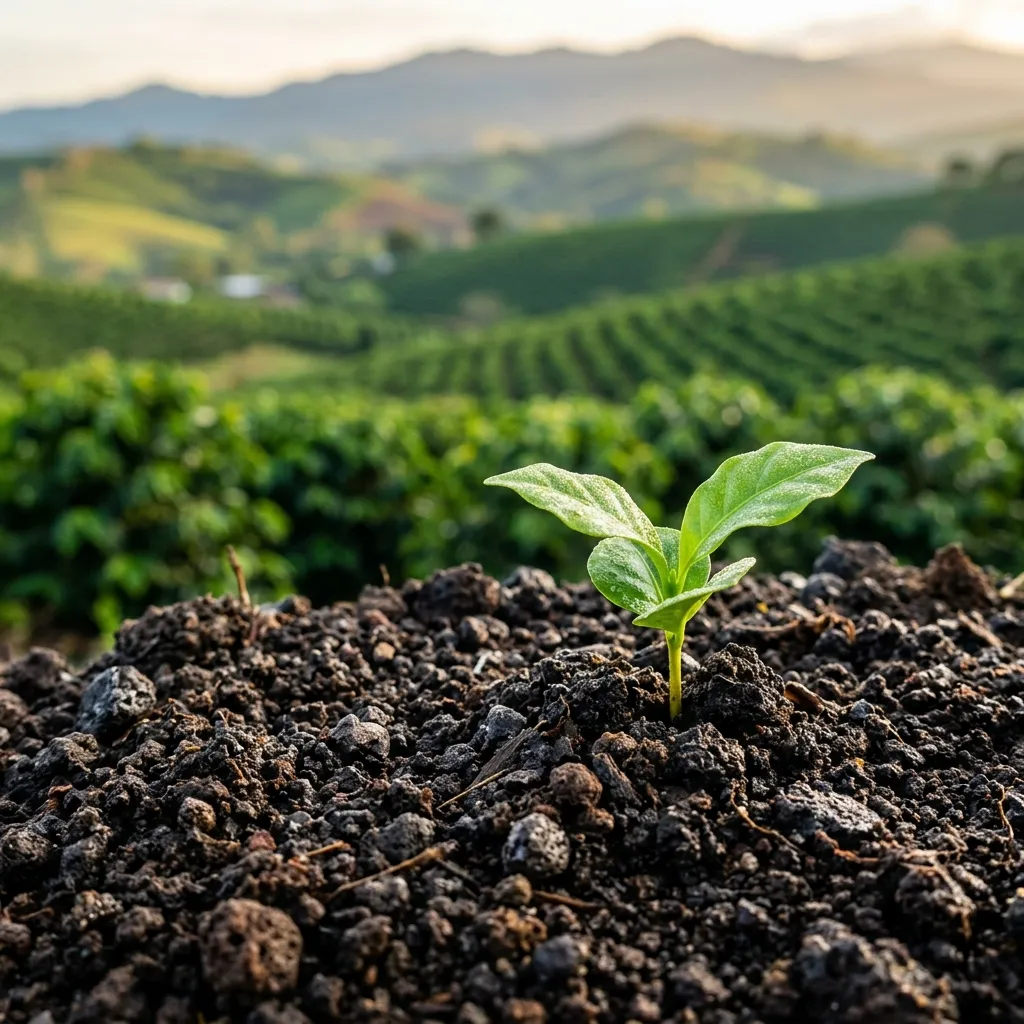
In southern Ecuador’s high-altitude farms (1,700–2,150 masl), cool temperatures naturally slow cherry maturation, creating ideal conditions for sugar synthesis.
This technical guide examines how Brix measurements, ripening kinetics, and fermentation parameters interact at origin to shape final cup quality. For context on advanced wet-mill protocols, explore our analysis of experimental coffee processing in Loja.
Brix as a Scientific Harvest Gate
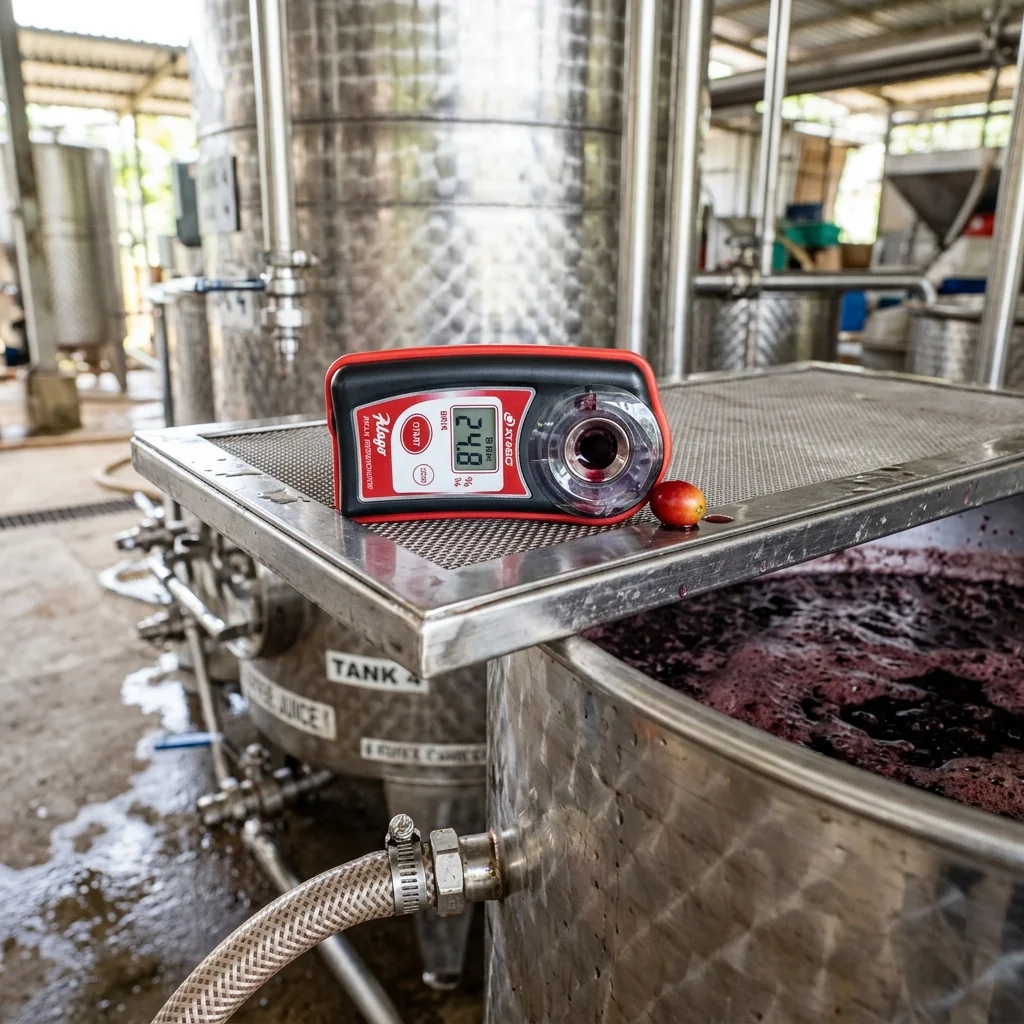
Refractometric measurement of cherry juice (°Brix) measures dissolved solids—primarily sucrose, glucose, and fructose—accumulated in the mucilage surrounding the coffee seed.
Rather than relying solely on visual skin color (which can vary depending on tree health and solar exposure), wet mill managers use Brix refractometers as an objective harvest gate.
| Brix Range (°Brix) | Cherry Ripeness State | Metabolic Potential | Cupping Risk / Outcome |
|---|---|---|---|
| < 16.0° | Under-ripe | Low sugar substrate | Astringent, grass-like |
| 16.0° – 17.5° | Early mature | Moderate substrate | Clean but thin sweetness |
| 18.0° – 20.0° | Peak Maturity (Ideal) | Optimal substrate | Vibrant acidity, rich body |
| > 21.0° | Over-ripe / Desiccated | Excessive fermentation | Over-ripe fruit, ferment defects |
Why Brix ≥ 18° is Mandatory for Specialty Lots
- Substrate for Microbial Fermentation: Higher initial sucrose levels provide necessary metabolic fuel for beneficial lactic acid bacteria and yeasts during fermentation.
- Acid Synthesis: High sugar concentration correlates directly with elevated organic acid synthesis (citric and malic acids), producing vibrant acidity on the cupping table.
- Bean Density Correlation: Extended ripening periods that build mucilage sugars also drive mineral absorption, producing dense seeds that withstand roasting heat.
Ripening Kinetics at Andean High Elevation
The rate at which a coffee cherry accumulates sugars is governed by diurnal temperature range (the difference between daytime high and nighttime low temperatures).
In Loja’s mountain passes, farms experience daytime highs of 22–26°C and nighttime drops to 8–12°C.
Thermal Influence on Seed Physiology
- Daytime Photosynthesis: Intense solar radiation drives active carbon fixation and sugar production in leaves, transferring sucrose to maturing cherries.
- Nighttime Metabolic Respiration Drop: Cold night air reduces cellular respiration within the fruit, preventing the tree from consuming stored sugars overnight.
- Extended Maturation Window: Cherries require up to 240 days from flowering to harvest (compared to 180 days in lower elevation zones), allowing maximum sugar concentration.
To understand how regional microclimates drive these thermal swings, read our guide to Loja coffee microclimates.
Fermentation Time and Temperature Modulation
Once cherry lots pass the Brix gate, depulped seeds enter fermentation tanks where microbial activity breaks down the pectin-rich mucilage layer.
| Processing Step | Parameter | Target Metric |
|---|---|---|
| Depulped Seed | Initial Sugar Gate | Brix ≥ 18° |
| Controlled Fermentation | Duration & pH Monitoring | 18–36 Hours (Target pH: 4.2 – 4.5) |
| Washing Gate | Final Clarity Check | Clean water discharge |
The Interplay of Brix, Time, and Temperature
Fermentation speed is governed by ambient mass temperature. At high altitude, ambient wet mill temperatures remain cool (14–18°C), extending the safe fermentation window:
- Standard Washed Protocol (32–38 Hours): Slow, controlled breakdown of mucilage in ambient cool water. Preserves pristine floral aromatics (jasmine, citrus blossom) while developing refined malic acidity.
- Extended Fermentation (48–60 Hours): Applied to high-Brix lots (Brix ≥ 21°) under submerged anaerobic conditions. Converts sugars into complex esters, yielding stone fruit (peach, apricot) and wine-like acidity.
The Over-Fermentation Risk Threshold
If tank temperatures exceed 22°C or pH drops below 3.8, acetic acid bacteria proliferate, introducing undesirable vinegary or over-ripe flavors. Real-time pH and temperature monitoring is essential to halt fermentation at peak clarity.
Brix × Fermentation Matrix: Sensory Cup Outcomes
The table below outlines how initial harvest Brix and fermentation protocols combine to determine final sensory attributes:
| Initial Cherry Brix | Fermentation Protocol | Dominant Acidity Type | Sensory Cup Profile Outcome |
|---|---|---|---|
| 18.0° – 19.5° | Standard Washed (36h) | Bright Citric | Lemon zest, jasmine floral, cane sugar, tea-like finish |
| 20.0° – 21.5° | Extended Washed (48h) | Complex Malic | Red apple, peach blossom, honey sweetness, syrupy body |
| > 21.5° | Anaerobic Natural (72h) | Tartaric / Lactic | Black cherry, dark plum, chocolate liqueur, heavy coating |
For details on how different processing methods alter the cup on the same harvest lot, see our study on same lot three processes.
How Green Buyers Should Read Agronomic Spec Sheets
When evaluating specialty lots from southern Ecuador, green coffee buyers should request comprehensive spec sheets detailing harvest parameters:
- Lot Depulped Brix Average: Confirms selective picking rigor at the farm level.
- Tank Temperature & pH Discharge Logs: Verifies that fermentation was halted before defect thresholds.
- Resting (Reposo) Moisture Logs: Confirms parchment rested for at least 30 days at 10.5–11.5% moisture prior to dry milling.
To review spec sheets and request samples from current high-Brix harvest lots, visit our Ecuador coffee sourcing calendar or contact our sourcing team.