Sidra Coffee: Origin and Flavor Profile
Quick Summary: Sidra coffee delivers aromatic complexity, floral and citrus notes, and syrupy body. Sourced direct-trade from Loja, Ecuador. Request a green sample.
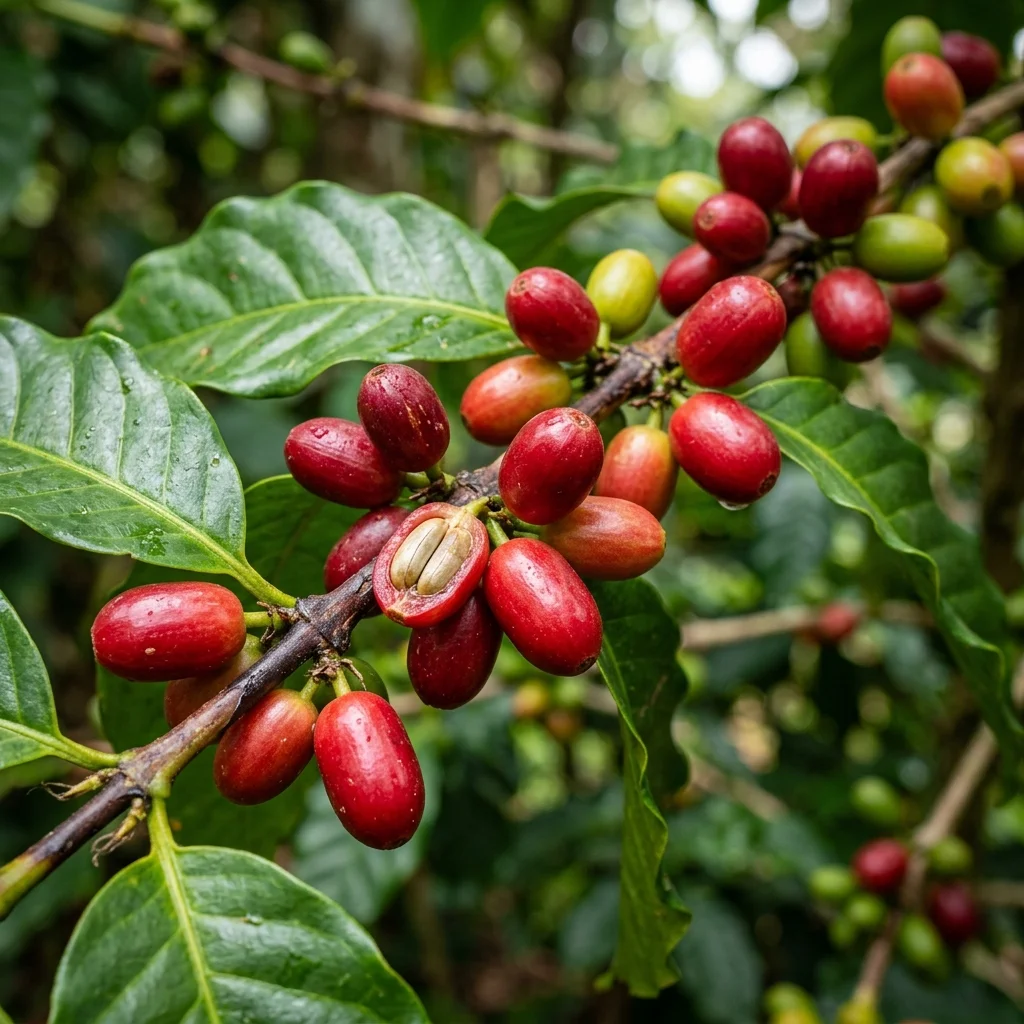
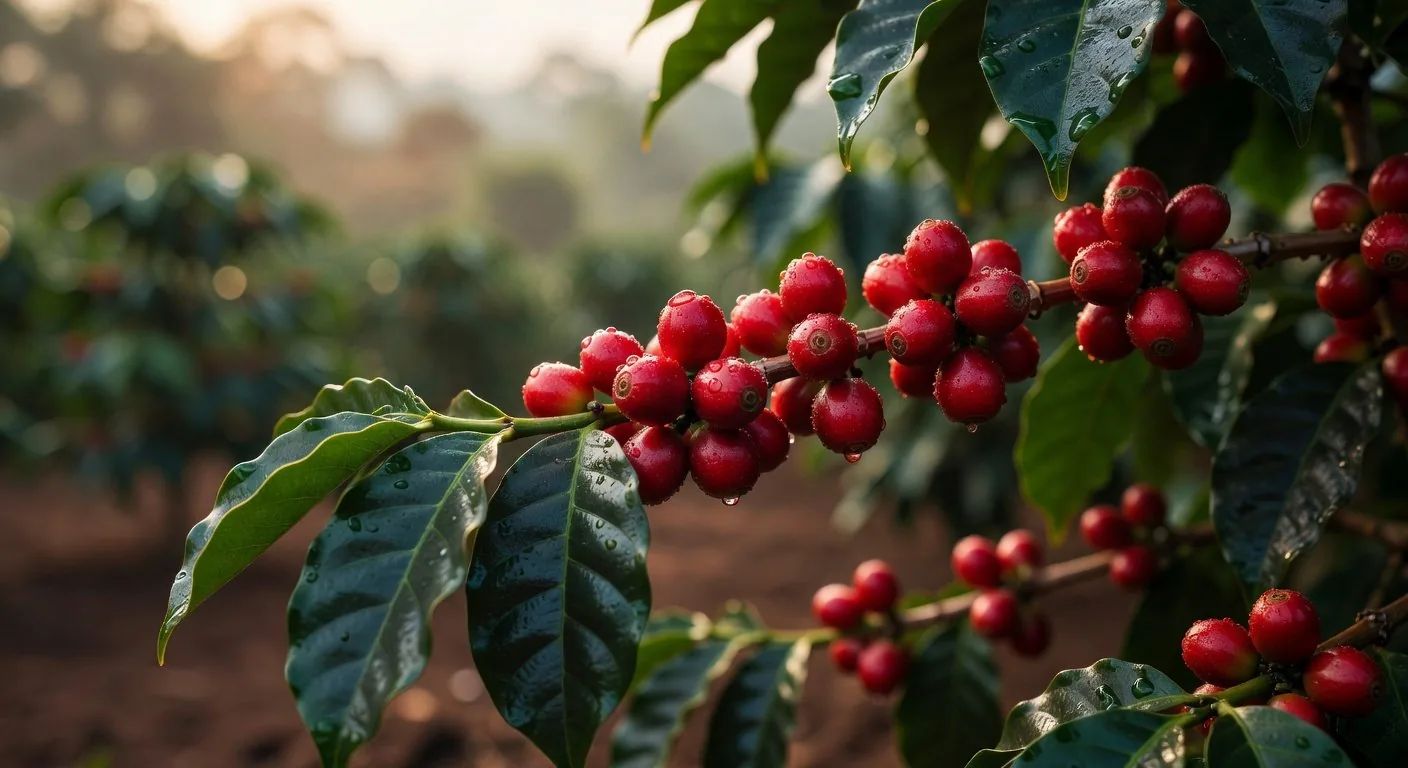
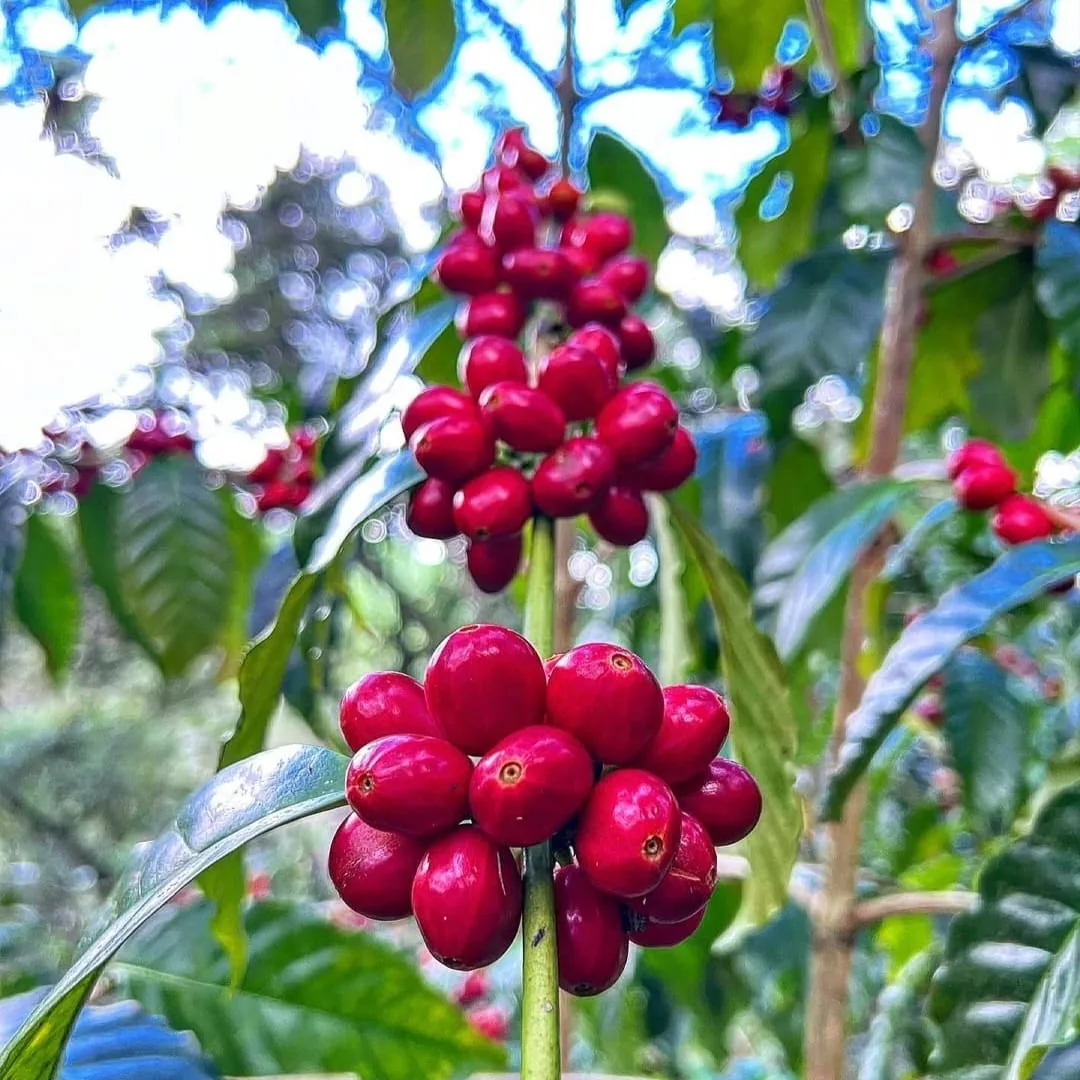
Sidra coffee is an heirloom Arabica variety known for its floral aromatics, citrus notes, and heavy, syrupy body. Here are the key points:
-
Origin: Southern Ecuador (Loja, Zamora-Chinchipe) and southern Colombia (Narino)
-
Genetics: A natural Bourbon × Typica cross
-
Altitude: Best results at 1,600–2,000 masl
-
Cup profile: Floral aromas, citrus and stone fruit, bright acidity, syrupy body
-
SCA score: 87–89 points for well-produced high-altitude lots
-
Price position: Below Gesha, above Typica Mejorado, a versatile anchor SKU for roasteries
Cafesure works with Sidra producers across the high-altitude cantons of Loja, Ecuador, one of the variety’s homes of commercial origin. This guide is for green buyers and head roasters evaluating their first Sidra lot. For a side-by-side comparison across our three flagship Ecuadorian heirlooms, see Typica Mejorado vs Sidra vs Gesha.
The Ecuador vs Colombia origin debate
The origin of Sidra is contested. Two stories dominate the trade literature:
-
Ecuadorian origin. Producers and exporters in southern Ecuador, particularly Loja and Zamora-Chinchipe, describe Sidra as a Bourbon × Typica cross that emerged on local farms decades ago. The variety’s commercial identity as “Sidra” was built in Ecuador before it appeared in international catalogs.
-
Colombian origin. A parallel story traces Sidra to farms in Narino, southern Colombia, where similar Bourbon × Typica crosses were selected under the same name.
Genetic testing by independent labs has shown that “Sidra” samples from both countries are very close and consistent with Bourbon × Typica parentage.
The most defensible position: Sidra is a regional heirloom of the southern Ecuador–southern Colombia border zone. Ecuador built the commercial identity; Colombia added overlapping selections.
What this means for buyers
Provenance matters more than the country on the bag. A Sidra lot from a named Loja farm at 1,900 masl will usually outperform a blended “Colombian Sidra” lot of unknown farm origin, regardless of which country has stronger branding.
Genetics: Sidra vs Bourbon and the “Bourbon Sidra” name
Sidra is often sold as “Bourbon Sidra,” which creates confusion. Two points help clear it up:
-
Sidra is not pure Bourbon. Genetic markers show a Bourbon × Typica cross. The “Bourbon” in the name refers to one parent, not the variety itself.
-
Sidra cups differently than Bourbon. Standard Bourbon (red, yellow, or pink) is sweet, balanced, and mild, with chocolate and gentle fruit. Sidra is more aromatic, with floral and bright citrus notes and a heavier, syrupy body. A blind cupping will not confuse the two.
Why the naming overlap matters in procurement
Some importer catalogs list Bourbon and Sidra side by side, and the price gap is significant. If you are paying Sidra prices, request genetic or at minimum farm-level documentation. For more on lot verification, see our article on coffee traceability from origin.
Cupping profile: aromatic complexity and structure
Sidra’s reputation rests on aromatic intensity combined with structural depth. Well-produced washed Sidra from Loja, cupped using the SCA protocol, typically shows:
| Attribute | Common descriptors |
|---|---|
| Aroma | Floral (jasmine, chamomile), citrus blossom, ripe stone fruit |
| Flavor | Mandarin, apricot, peach, honey, light brown sugar |
| Acidity | Bright, citric, clean, well-integrated |
| Body | Syrupy, rounded, coating, heavier than Typica or Bourbon |
| Aftertaste | Long, sweet, floral, lingering citrus peel |
| SCA score range | 87–89 points for well-produced high-altitude lots |
What makes Sidra different from other aromatic varieties
Sidra pairs floral aromatics with real body. Gesha is delicate and tea-like; Sidra is aromatic and structured. This is a key reason Sidra works as both a filter offering and a single-origin espresso, where Gesha often does not.
Growing conditions: altitude, shade, and variety behavior
Sidra reaches its full aromatic expression only under specific conditions. The main variables, in rough order of impact on the cup:
-
Altitude. Sidra is planted between 1,600 and 2,000 masl in Loja. The most aromatic lots typically come from 1,800 masl and above.
-
Shade. Mixed shade (inga and native forest) protects floral aromatics from sun-scald and extends the maturation window.
-
Temperature swings. Cool nights during cherry maturation concentrate sugars and aromatics. Loja’s highland climate provides this naturally.
-
Soil. Andic volcanic soils with strong organic matter feed the plant through the long ripening period.
-
Plant management. Sidra trees are vigorous but need careful pruning. Over-cropping dilutes the cup significantly.
A signal to watch for when evaluating offers
Producers who manage these variables consistently produce lots that compete with Gesha on the cupping table. Producers who push yields tend to lose the aromatic top notes, a clear warning sign.
Processing: washed, honey, and natural Sidra
Sidra responds well to all three primary processes, and the choice materially changes the final profile. The variety-specific notes below reflect what we see at origin:
-
Washed. The reference profile: clean floral aromatics, bright citric acidity, syrupy body, long sweet finish. The most transparent expression of the variety. Our default recommendation for buyers who want to evaluate Sidra on its own terms.
-
Honey. Adds mid-palate sweetness and a softer acidity. Stone fruit (peach, apricot) intensifies. A good choice for buyers who want a more accessible profile or who are building blends.
-
Natural. Heavy fruit, berry and tropical notes, lower acidity, big body. Loses some floral delicacy but gains intensity. Popular with Nordic buyers seeking bold single-origin espresso.
Fermentation protocol matters as much as process
Controlled anaerobic fermentation has produced striking results with Sidra over the last few harvests. It intensifies the floral aromatics without the off-notes that plague poorly managed anaerobic lots.
When evaluating Sidra offers, ask for the fermentation protocol alongside the process category. Serious producers will have it documented.
First-time Sidra buyers: Start with washed lots to learn the variety’s signature, then explore honey and natural lots in later purchases.
Sidra vs Typica Mejorado and Gesha: where Sidra fits
Sidra is often mentioned alongside Typica Mejorado and Gesha as part of Ecuador’s flagship aromatic trio. The quick distinction:
-
Gesha: the most delicate and floral, tea-like in body, with the highest name recognition and price.
-
Sidra: aromatic but structured, with more body and a citrus-forward profile.
-
Typica Mejorado: the most stone-fruit-forward of the three, with a heavy, syrupy body and strong jasmine top notes.
Versatility on a roastery menu
If you source all three, Sidra is usually the most versatile. It works as filter, as single-origin espresso, and in blends where a florally aromatic component is wanted. For the full side-by-side breakdown, see Typica Mejorado vs Sidra vs Gesha. For the Typica Mejorado deep dive, see our Typica Mejorado variety guide.
Sidra’s useful middle ground on price
Gesha lots command the highest prices of the three. Typica Mejorado, while scarce, is usually priced below Sidra due to lower international name recognition. Sidra sits in between.
That makes Sidra a strong anchor SKU for a roastery building an Ecuadorian varieties program:
-
Recognizable enough for customer education
-
Available enough to support recurring volume
-
Priced accessibly relative to Gesha
Buyer’s guide: how to evaluate a Sidra lot
If you are buying Sidra for the first time, standard specialty green evaluation guidelines apply, with a few variety-specific notes:
-
Cup against a reference. Use a Gesha or high-end washed Ethiopia to calibrate to the aromatic intensity.
-
Verify farm-level traceability. Genuine Sidra lots should trace to a named farm or producer group, with altitude and process clearly documented.
-
Inspect the green coffee. Look for the variety’s medium-to-large, elongated bean.
-
Cup multiple lots. Sidra varies significantly by farm and harvest. One sample is not representative of the variety.
Where to buy Sidra coffee
Cafesure exports Sidra lots direct from Loja to qualified buyers in the United States, Canada, the Middle East, and Asia. Available inventory rotates by harvest, and the highest-scoring lots tend to go to existing customer relationships before they reach the open market.
How to request a Sidra sample
The fastest path is to reach our QC team via our contact form with:
-
Your target volume
-
Destination country
-
Process preference (washed, honey, or natural)
We ship 350 g green samples internationally with full traceability documentation, SCA cupping score, and producer information.
For first-time importers, our guide to importing coffee from Ecuador walks through the logistics and documentation involved.
Why we do not list specific lots or prices
Harvest-cycle availability and lot-level scoring mean an up-to-date offer sheet is always more accurate than a static catalog. Message us for the current Sidra inventory.