Coffee Traceability: What Buyers Must Verify
Quick Summary: Coffee traceability is often used as a marketing buzzword, but true traceability must operate at the lot level. It means connecting the physical coffee a buyer receives to verifiable data about its specific producer, harvest period, processing method, and quality metrics. This guide explains how lot-level traceability works, where it commonly breaks down, and what questions green buyers should ask to verify supplier claims.
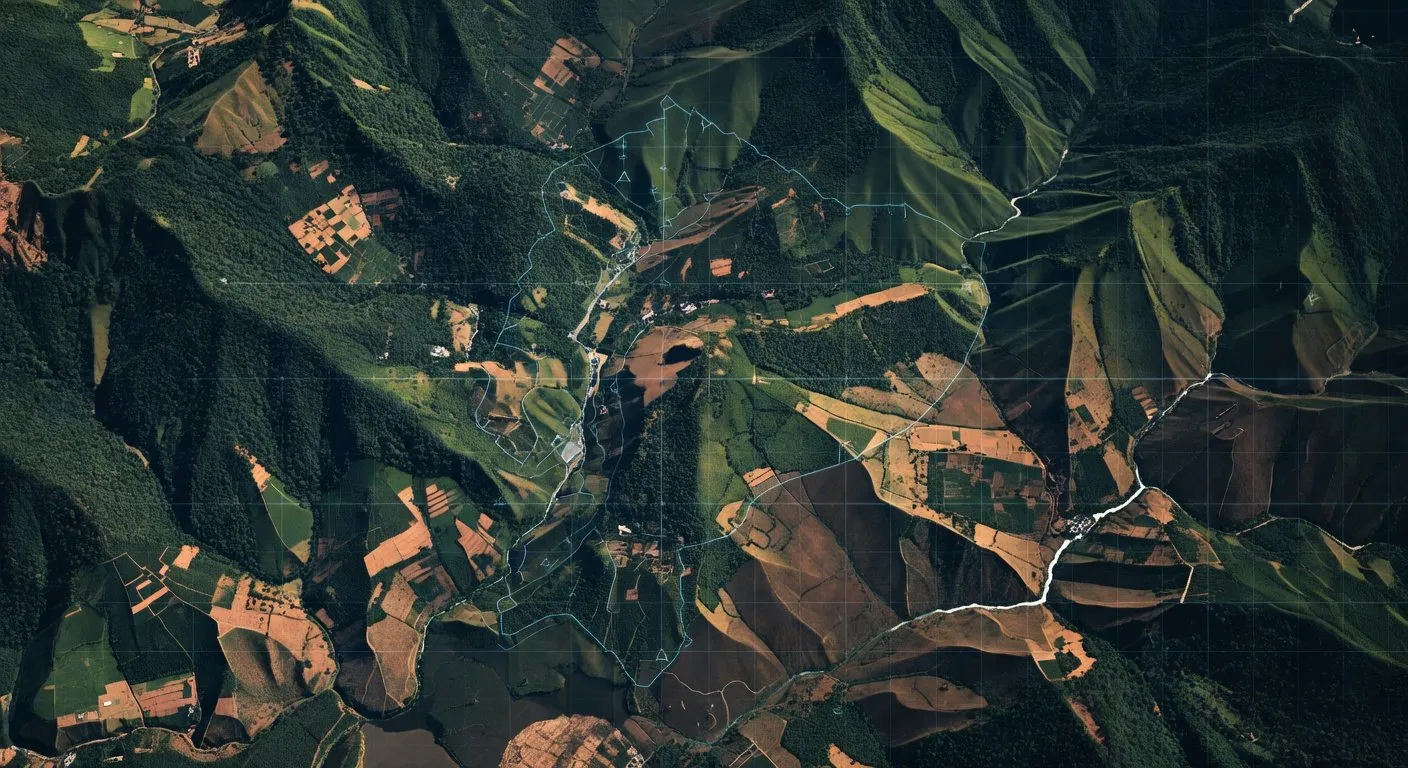
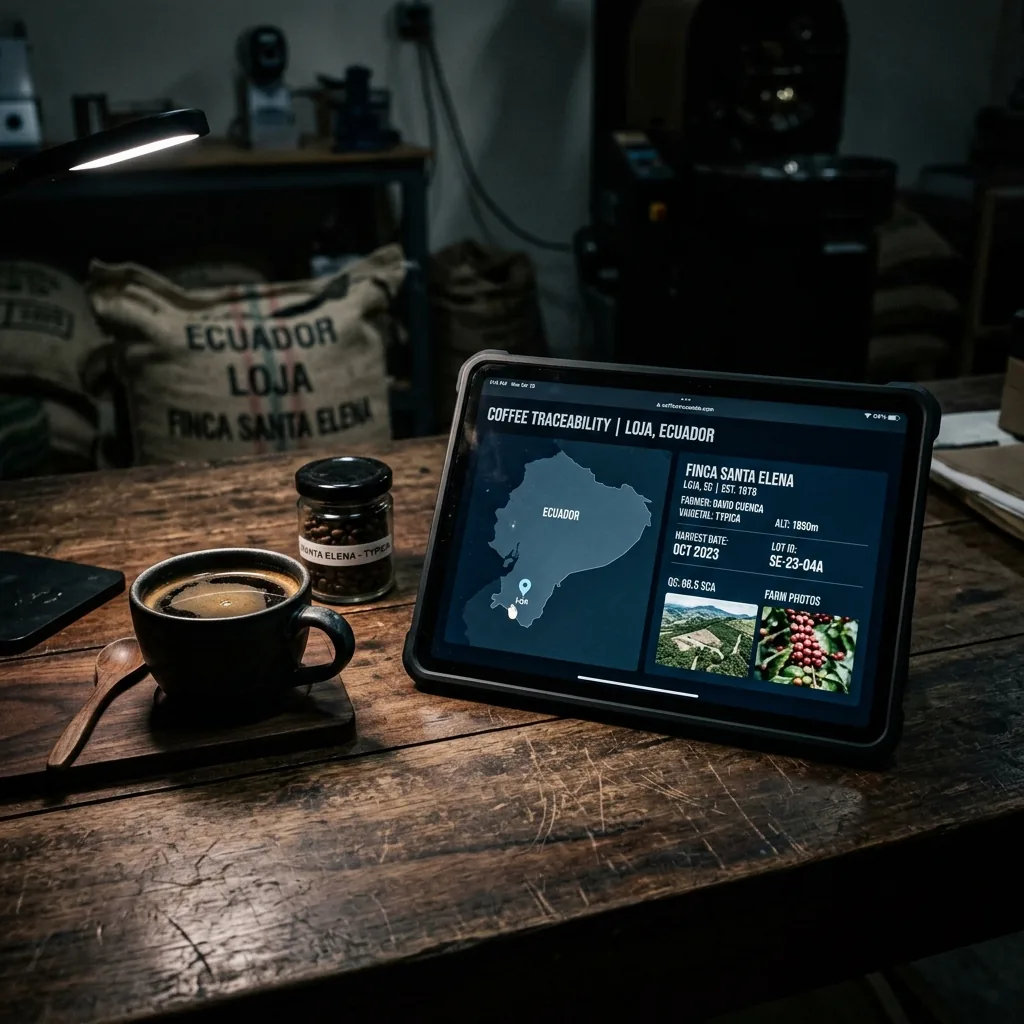
How lot-level traceability connects Ecuadorian specialty coffee from farm to export
Traceability has become an important part of specialty coffee sourcing. But a country name, farm story, or producer photograph is not the same as being able to document the specific coffee a buyer receives.
For a green coffee buyer, meaningful traceability should answer a practical question:
Can this specific lot be connected to its origin, harvest, processing, quality evaluation, and shipment?
At Cafesure, we use lot-level traceability as a sourcing standard. The level of information available can vary by producer and program, but the objective is to maintain continuity between the coffee identified at origin and the coffee prepared for export.
What Coffee Traceability Actually Means
At its simplest, traceability means being able to follow a defined quantity of coffee through the relevant stages of the supply chain.
A specialty coffee lot may be connected through: Producer → Farm → Variety → Harvest → Processing → Drying → Quality Control → Export Lot
The purpose is not to create an enormous database. It is to make the information behind the coffee identifiable, consistent, and useful to the buyer.
Lot-Level vs. Origin-Level Information
There is an important difference between saying:
“Ecuadorian coffee from Loja.”
and being able to say:
“This lot came from a specific producer and farm, was harvested during a defined period, processed using a documented method, evaluated as this lot, and exported under this lot reference.”
The first is an origin description. The second provides a traceable sourcing record.
For specialty coffee, this distinction matters because two coffees from the same region can differ significantly according to variety, harvest timing, processing, drying, and quality.
What Defines a Traceable Lot?
The information required will depend on the coffee and the buyer’s requirements, but useful lot documentation can include:
Origin
Producer, farm, community or locality, and available geographic information.
Variety
The variety or planting designation provided by the producer, with additional verification where relevant.
Harvest
Harvest period or specific harvest date when available.
Processing
Washed, honey, natural, or experimental processing, together with relevant fermentation and drying information.
Quality
Physical analysis and sensory evaluation appropriate to the sourcing program.
Lot identification
A reference that connects the coffee to its records during processing, storage, packing, and export.
Commercial documentation
Contract, packing, shipment, and other records needed to connect the physical coffee to the transaction.
Not every coffee needs identical documentation. What matters is that the information supplied corresponds to the actual lot being purchased.
Where Traceability Can Break Down
Traceability becomes more difficult to maintain when coffee changes identity as it moves through the supply chain.
Mixed Lots and Commingling
Coffee from different farms or harvest periods may be combined during collection, processing, milling, or storage.
Once coffees are mixed, the ability to attribute the finished lot to a specific farm or harvest can be reduced.
This is particularly relevant for buyers seeking single-farm coffees or specific varieties.
Incomplete Records
A supplier may know the farm name but not the harvest period, processing batch, or lot reference.
Another may have detailed production information but no clear connection between the farm record and the bags prepared for export.
These gaps do not necessarily mean that the coffee is misrepresented. They do mean that the level of traceability should be described accurately.
Origin Story vs. Verifiable Information
A compelling producer story can add value to a coffee. But photographs, regional descriptions, and sustainability statements do not independently establish lot-level traceability.
The useful question is:
Can the relevant information be connected to the specific coffee being purchased?
The Cafesure Traceability Approach
At Cafesure, we treat traceability as part of the sourcing process rather than as a marketing layer added after the coffee is purchased.
For selected lots, origin records can include:
Farm-Level Information
- Producer and farm.
- Location information.
- Available geographic coordinates.
- Variety or planting designation.
- Harvest period.
Processing Records
- Processing method.
- Fermentation information where applicable.
- Drying method and duration.
- Stabilization or resting information where relevant.
Quality Records
- Physical specifications.
- Moisture.
- Screen and preparation.
- Defect information.
- Sensory evaluation.
Export Records
- Lot identification.
- Packing information.
- Commercial reference.
- Shipment documentation.
The exact dataset depends on the producer, lot, and sourcing program. Our objective is to maintain a clear connection between origin information and the physical export lot.
Farm-to-Export Data Continuity
The value of a traceability system is not the number of fields in a database.
It is continuity. A useful sourcing record should allow the buyer to move backwards through the supply chain:
Export lot ↓ Packing and milling ↓ Processing ↓ Harvest ↓ Farm and producer
This creates a stronger basis for understanding what the buyer has actually purchased.
It also makes future sourcing easier. When a buyer wants to purchase from the same producer again, compare harvests, or evaluate a different variety from the same farm, previous lot records become a useful reference.
Why Traceability Matters to Buyers
Traceability has practical value beyond the origin story.
Quality Control
Lot-specific information helps buyers compare samples with the coffee prepared for shipment and identify differences between harvests.
Consistency
Detailed records make it easier to understand why a particular coffee performed well and what elements may be repeated in a future purchase.
Risk Management
When a quality or logistical issue occurs, a defined lot structure makes it easier to identify the coffee involved and investigate its history.
Product Information
Roasters can communicate producer, farm, variety, and processing information with greater confidence when those details are documented.
Reordering
A well-identified lot or producer relationship makes future purchasing conversations more precise.
Due Diligence
Geographic and sourcing information can also support buyer-specific compliance and due-diligence processes.
Traceability does not replace those requirements, but it provides part of the information infrastructure they may require.
How Buyers Can Verify a Supplier’s Traceability
Buyers do not need to perform a full audit to ask useful questions.
Before purchasing a premium lot, consider asking:
1. What producer and farm does the lot come from? 2. What geographic information is available? 3. What variety is identified at origin? 4. When was the coffee harvested? 5. How was it processed and dried? 6. How is the lot identified during milling, storage, and packing? 7. What physical and sensory quality information is available? 8. Can the supplier connect those records to the coffee being shipped?
The answers should be consistent with the actual lot and the supplier’s sourcing model.
A supplier does not need to provide every possible data point. What matters is clarity about what is known, what is documented, and what is not independently verified.
A Practical Sample-Lot Test
One of the simplest ways to evaluate traceability is to request a current sample together with its available origin documentation.
For example, a buyer evaluating a Cafesure lot may receive information covering:
- Lot ID
- Producer and farm
- Location
- Variety
- Harvest period
- Processing method
- Physical specifications
- Cup evaluation
- Expected shipment information
The buyer can then evaluate the sample and determine whether the documentation is sufficiently detailed for its own sourcing requirements.
This is a practical test because the information is attached to an actual coffee rather than a generic description of an origin.
What Traceability Does Not Mean
It is important not to confuse traceability with other forms of assurance.
Traceability does not automatically mean that a coffee is:
- Organic certified.
- Fairtrade certified.
- Rainforest Alliance certified.
- DNA-authenticated by variety.
- Independently audited for every environmental or social claim.
- Automatically compliant with every destination-market regulation.
Those are separate questions. Similarly, B.I.C. status and traceability are not the same thing.
Cafesure’s B.I.C. structure relates to the company’s corporate impact commitments and accountability. Traceability relates to the information connecting a coffee to its origin and supply chain.
For European buyers, EUDR is a separate regulatory framework with its own due-diligence requirements.
You can read more in our Sustainable Coffee Sourcing: What Cafesure’s B.I.C. Status Means for Buyers and EUDR Coffee Compliance Guide.
Traceability in Ecuadorian Specialty Coffee
Ecuador’s specialty sector includes diverse producers, varieties, growing environments, and processing approaches.
For buyers, that makes country-level information only the beginning. The more useful questions are:
Which producer? Which farm? Which variety? Which harvest? Which process? Which lot?
This lot-level perspective is particularly valuable for coffees sold on the basis of specific genetics, farm identity, processing, or limited availability.
At Cafesure, we use this information to connect international buyers with individual coffees rather than treating Ecuador as a single standardized profile.
From Data to Better Sourcing
Traceability is most valuable when it improves a purchasing decision. A buyer evaluating two coffees may find similar cup quality but very different levels of documentation, lot separation, and producer information.
That difference can matter when the coffee becomes part of a long-term specialty program.
Good traceability can help a roaster understand:
what the coffee is, where it came from, how it was produced, how it was prepared for export, and what information can be verified.
That is the practical purpose of origin traceability.
Request a Documented Ecuadorian Coffee Lot
Cafesure works with producer partners in southern Ecuador to source specialty coffees with lot-level origin information and supporting documentation appropriate to each sourcing program.
To request current samples, lot information, processing details, and shipment availability, Contact our Sourcing Team.
You can also explore our Ecuador Coffee Sourcing Calendar and Ecuador Coffee Harvest 2026 to understand current-crop availability.