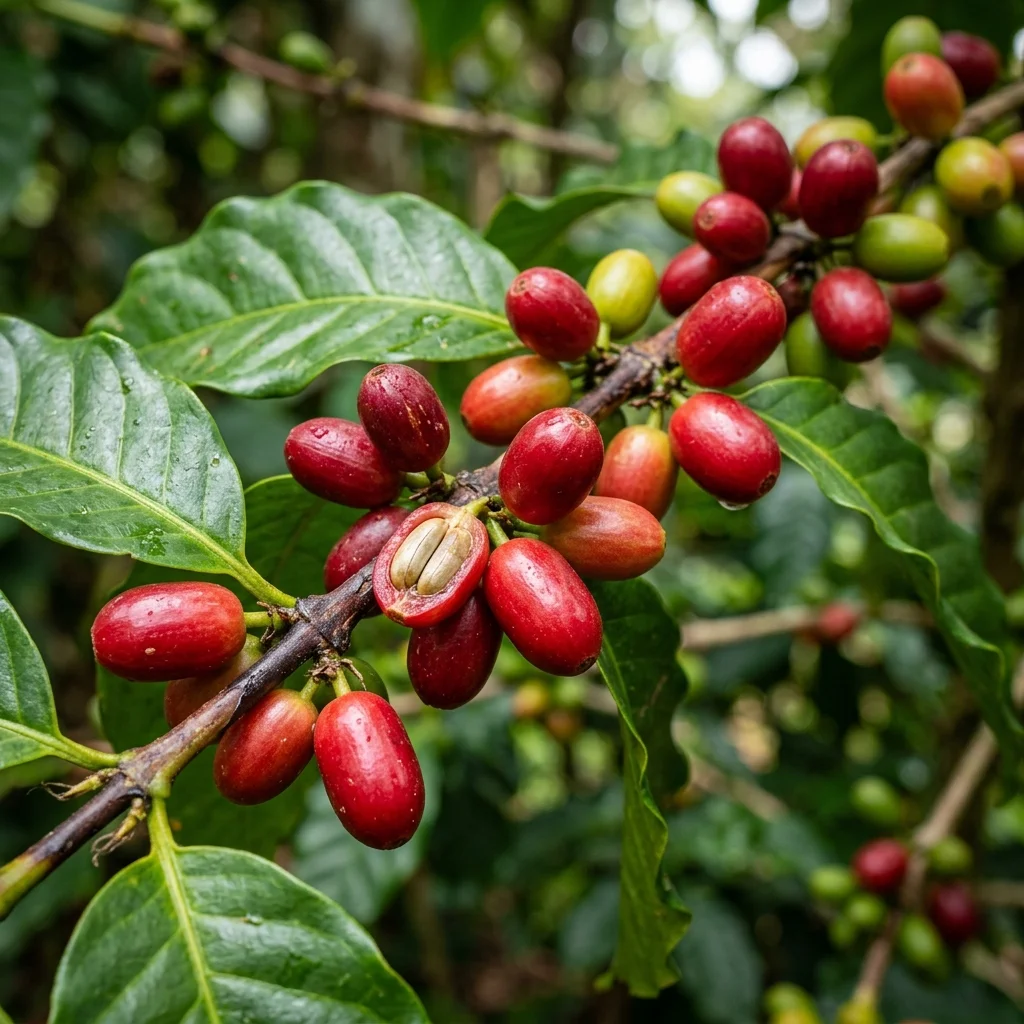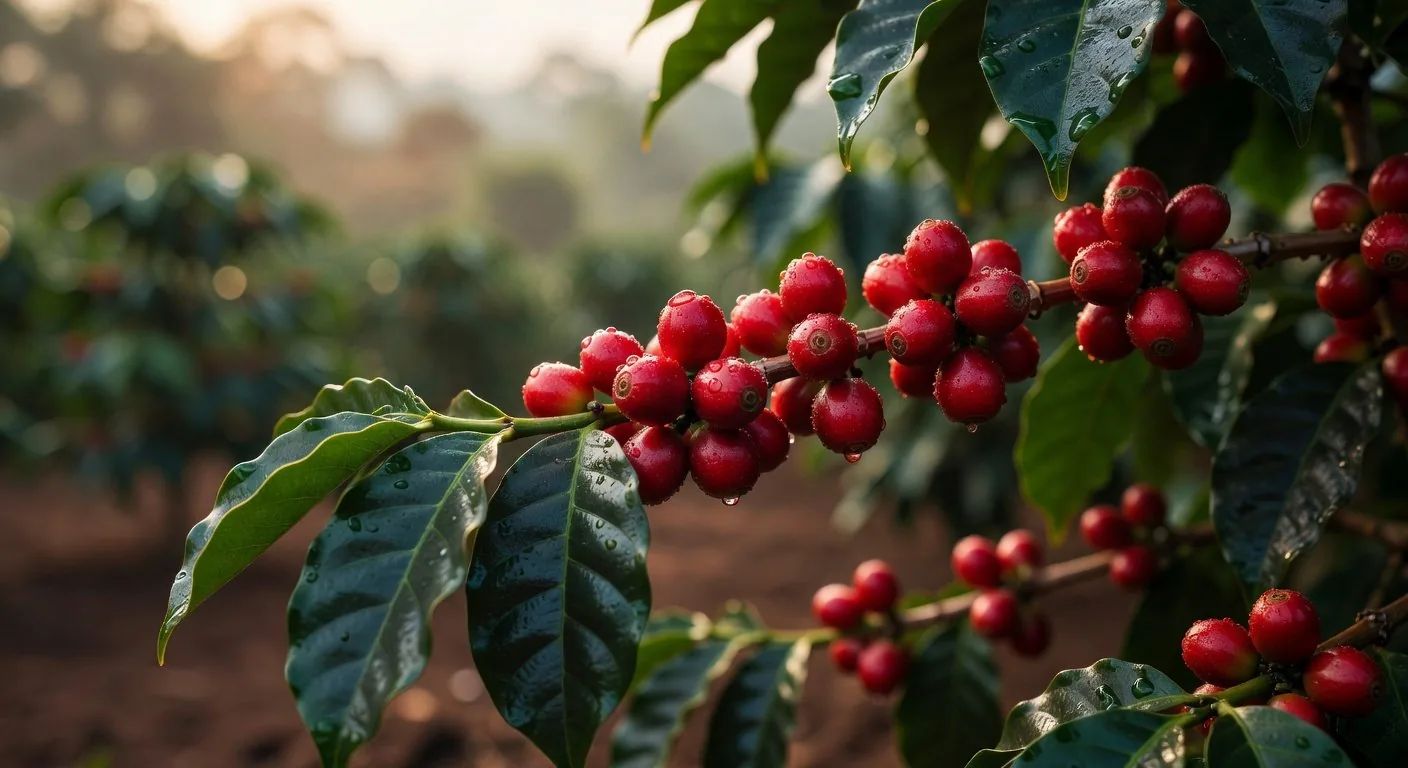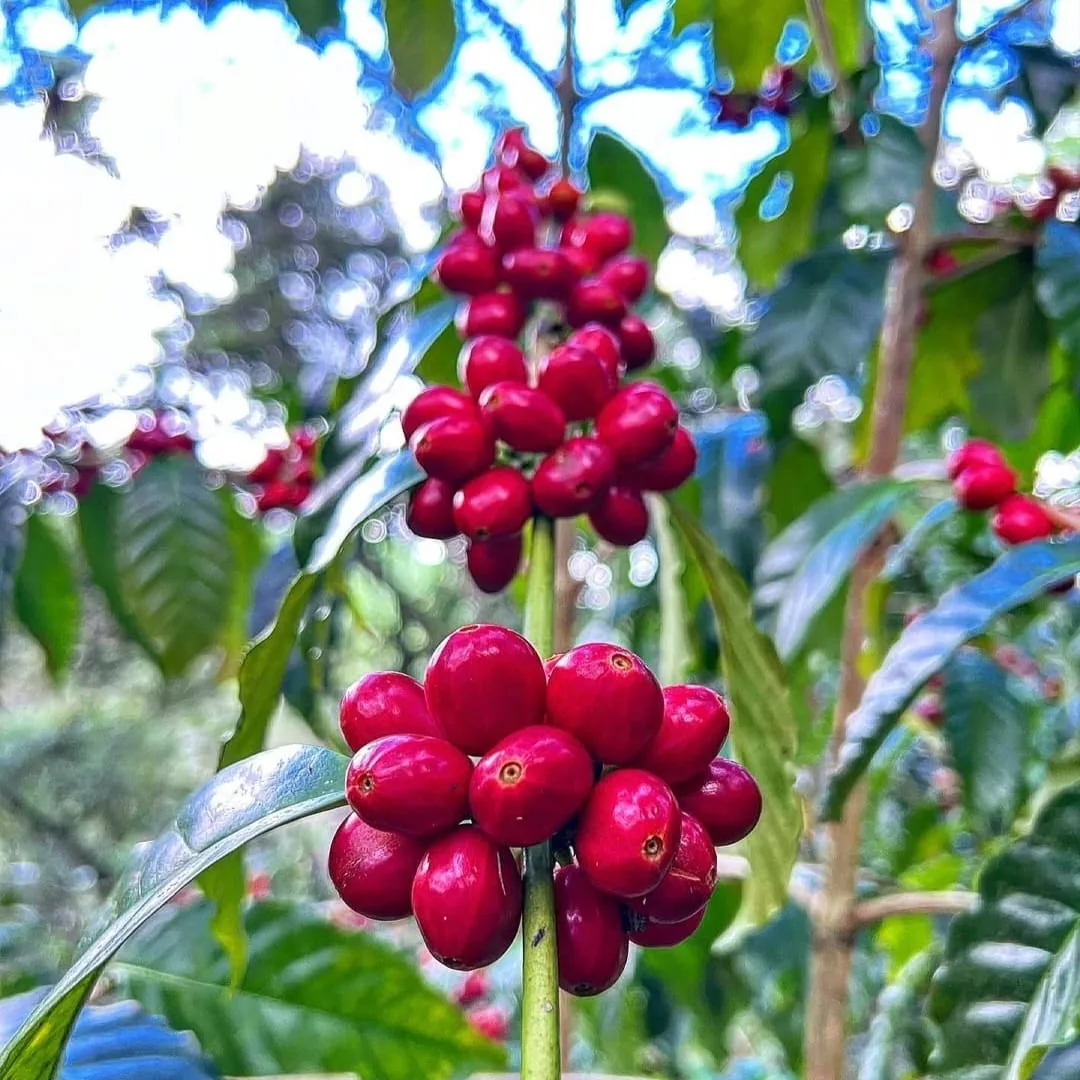
Gesha Coffee From Ecuador
Quick Summary: Ecuadorian Gesha grows above 2,000 masl in Loja. Jasmine, bergamot, and stone fruit at competitive pricing vs Panama Gesha.
Gesha Beyond Panama: The Ecuadorian Case
The Gesha story has been tied to Panama for two decades. Since Hacienda La Esmeralda’s 2004 Best of Panama entry, Panama Gesha has set the global standard. The prices reflect that.
But Panama is not the only origin producing world-class Gesha. Ecuador, specifically the high-altitude farms of Loja province, has emerged as a strong second origin. For buyers who want Gesha character at a better cost, Ecuadorian Gesha deserves a serious look.
Cafesure works with Gesha producers in Loja. This guide covers what makes Ecuadorian Gesha distinct. For context on how it fits alongside our other varieties, see Typica Mejorado vs Sidra vs Gesha.
Gesha’s History and How It Reached Ecuador
Here is the short version:
-
Ethiopian origin: Gesha traces to the Gori Gesha forest in southwestern Ethiopia, collected in the 1930s.
-
CATIE distribution: Seeds reached Latin America through the CATIE gene bank in Costa Rica in the 1950s.
-
Panama’s breakthrough: The 2004 Best of Panama auction put Gesha on the map.
-
Ecuadorian expansion: Gesha reached Ecuador’s high-altitude zones over the next decade. Loja’s climate turned out to be a strong fit.
Ecuadorian Gesha is the same variety as Panamanian Gesha. The cup difference comes from terroir, not genetics.
Why Loja Produces Distinctive Gesha
Several factors combine in Loja to grow Gesha that is recognizable but distinct:
-
Altitude: The best lots grow above 2,000 masl. Altitude is the single most important factor for Gesha quality. Above 1,900 masl, the aromatics sharpen.
-
Cool nights: Loja’s nights drop to 8–12°C during ripening. This slows cherry growth and builds sugars.
-
Volcanic soils: Rich, well-drained soils support the potassium and magnesium uptake that drives floral notes.
-
Shade-grown: Most Gesha in Loja grows under mixed shade, which extends ripening and protects delicate aromatics.
-
Late harvest: Gesha ripens later than Sidra, Typica Mejorado, or Bourbon. Loja’s calendar gives it the extra time it needs.
For more on why Loja produces high-end specialty across all varieties, see our Loja coffee region guide.
Altitude Requirements for Gesha
Altitude is the first question to ask when buying any Gesha lot. Here is what each band delivers:
| Altitude | Typical Gesha expression |
|---|---|
| Below 1,500 masl | Flat, herbal, no floral aromatics. Not premium Gesha. |
| 1,500–1,800 masl | Recognizable but muted. Acceptable, not exceptional. |
| 1,800–2,000 masl | Full Gesha: jasmine, citrus, tea-like body. |
| Above 2,000 masl | Exceptional: intense florals, bergamot, stone fruit, refined acidity, long finish. |
Ecuadorian Gesha from Loja sits in the top two bands. Many producer lots are planted above 2,000 masl. This is one reason Ecuador can compete with Panama on Gesha quality, both origins have the altitude the variety needs.
A “Gesha” lot grown at 1,200 masl is not the same as one grown at 2,000 masl, no matter the label. For more on lot verification, see our article on coffee traceability from origin.
What Ecuadorian Gesha Tastes Like
Well-produced Ecuadorian Gesha, cupped by SCA standards, typically shows:
| Attribute | Common descriptors |
|---|---|
| Aroma | Jasmine, bergamot, orange blossom, lemongrass |
| Flavor | Peach, nectarine, mandarin, grapefruit, honey, botanical notes |
| Acidity | Bright, refined, citric, integrated |
| Body | Delicate, tea-like, silky, lighter than Sidra or Typica Mejorado |
| Aftertaste | Long, floral, sweet, with lingering citrus |
| SCA score | 88–91+ for high-altitude lots |
The Gesha signature, jasmine, bergamot, and a tea-like body, is fully present in Ecuadorian lots. The difference from Panama is subtle:
-
Ecuadorian Gesha tends to have a slightly heavier body and a distinct minerality from Loja’s volcanic soils.
-
Panama Gesha tends toward more delicate, purely floral expressions.
For most roasters, Ecuadorian Gesha delivers the Gesha experience, recognizable to anyone who has cupped Panama lots, with its own character. For background on the costs behind these microlots, see our article on Ecuadorian specialty coffee economics.
For roasters building a recurring Gesha program, not just a one-time showpiece, a second origin story on the menu adds value. Customers increasingly ask for variety within the Gesha category.
Price: Ecuador vs Panama
The price gap is one of the most practical reasons buyers try Ecuadorian Gesha.
-
Panama Gesha has two decades of auction history. Top lots trade at prices few roasters outside the ultra-premium segment can afford.
-
Ecuadorian Gesha offers comparable cup quality at lower cost. Less auction speculation, lower production costs. The result: Gesha character at a more sustainable price.
This is not a claim that Ecuadorian Gesha matches the very best Panama lots, those remain the global benchmark. It is a practical argument: for most roasters, Ecuadorian Gesha makes more sense, especially for a recurring seasonal offering. The cost difference across a full season’s volume is significant.
For more on how Gesha pricing fits the broader specialty landscape, see our article on direct trade coffee explained.
Buyer’s Guide: How to Evaluate an Ecuadorian Gesha Lot
If you are buying Ecuadorian Gesha for the first time, standard green evaluation rules apply. Here are Gesha-specific tips:
-
Cup against a reference. Use a Panama Gesha or a high-end washed Ethiopia Yirgacheffe to calibrate your palate to the floral-bergamot signature.
-
Verify altitude. Premium Gesha should come from above 1,800 masl, ideally above 2,000. Documentation should confirm this.
-
Inspect the beans. Gesha beans are long, narrow, and elongated with a tight central cut. Off-type beans suggest varietal drift.
-
Confirm traceability. Real Gesha lots should trace to a named farm or producer, not a regional aggregator. See our sustainable coffee sourcing overview.
-
Cup multiple lots. Gesha varies by farm and harvest. One sample is not enough.
Where to Buy Ecuadorian Gesha
Cafesure exports Gesha microlots from Loja to qualified buyers in the US, Canada, the Middle East, and Asia. Gesha is the tightest of our three flagship varieties. The best lots are usually allocated to existing customers before harvest closes.
To evaluate an Ecuadorian Gesha sample, contact our QC team with your target volume, destination, and process preference. We ship 350 g green samples with full traceability, SCA cupping score, and producer info. For first-time importers, our guide to importing coffee from Ecuador covers the logistics.
We do not list specific lots or prices here. Gesha availability and lot-level scoring change each harvest. Contact us for current inventory.